Caitlin Morris ↓ Download PDF

Caitlin Morris

Interaction design · Emerging technologies · Human behavior

Designer and researcher working across physical and digital interaction systems. My work explores how technologies shape participation, exploration, and connection.

At the MIT Media Lab, I build and study interactive systems to understand how design influences the ways people learn, collaborate, and engage with the world around them.

InExChange pneumatic vest interaction — animated InExChange mixed reality breathing synchronization — animated

InExChange

MIT Media Lab Research

Shared sensation as a medium for connection and play.

Encourage new forms of social language.

InExChange is a mixed reality interactive experience using custom pneumatic vests, breath sensing, and a responsive visual environment. Multiple participants each wear a vest that inflates and deflates to create the sensation of another person’s breathing on the body in real time.

The project explored how shared bodily sensation might support playful social connection and nonverbal interaction. Participants synchronized their breathing patterns to influence the visual environment together, often developing collaborative rhythms and communication organically through exploration.

Alongside the installation experience, the custom wearable devices also contributed to research on embodied interaction and haptic perception in multisensory systems.

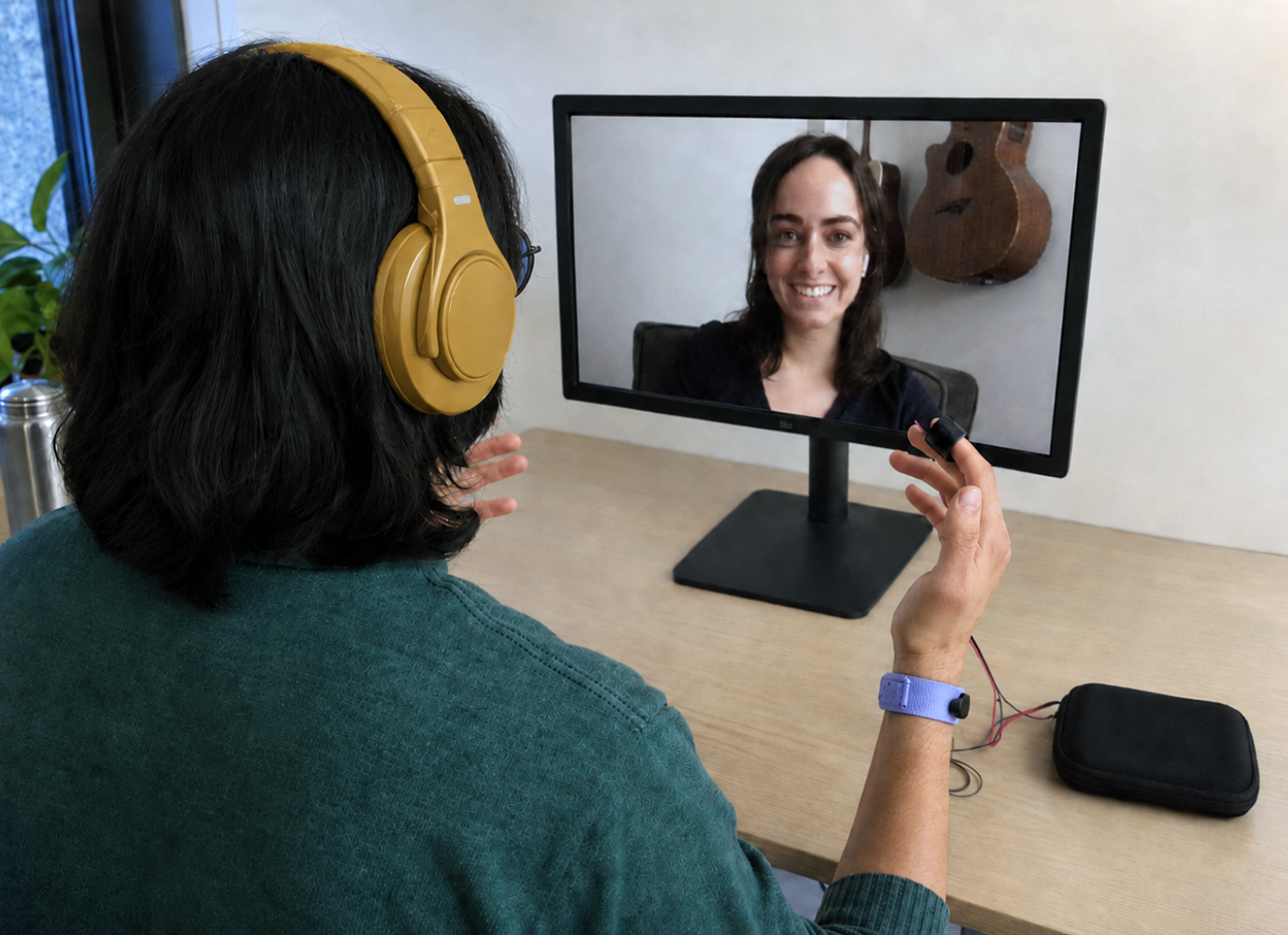
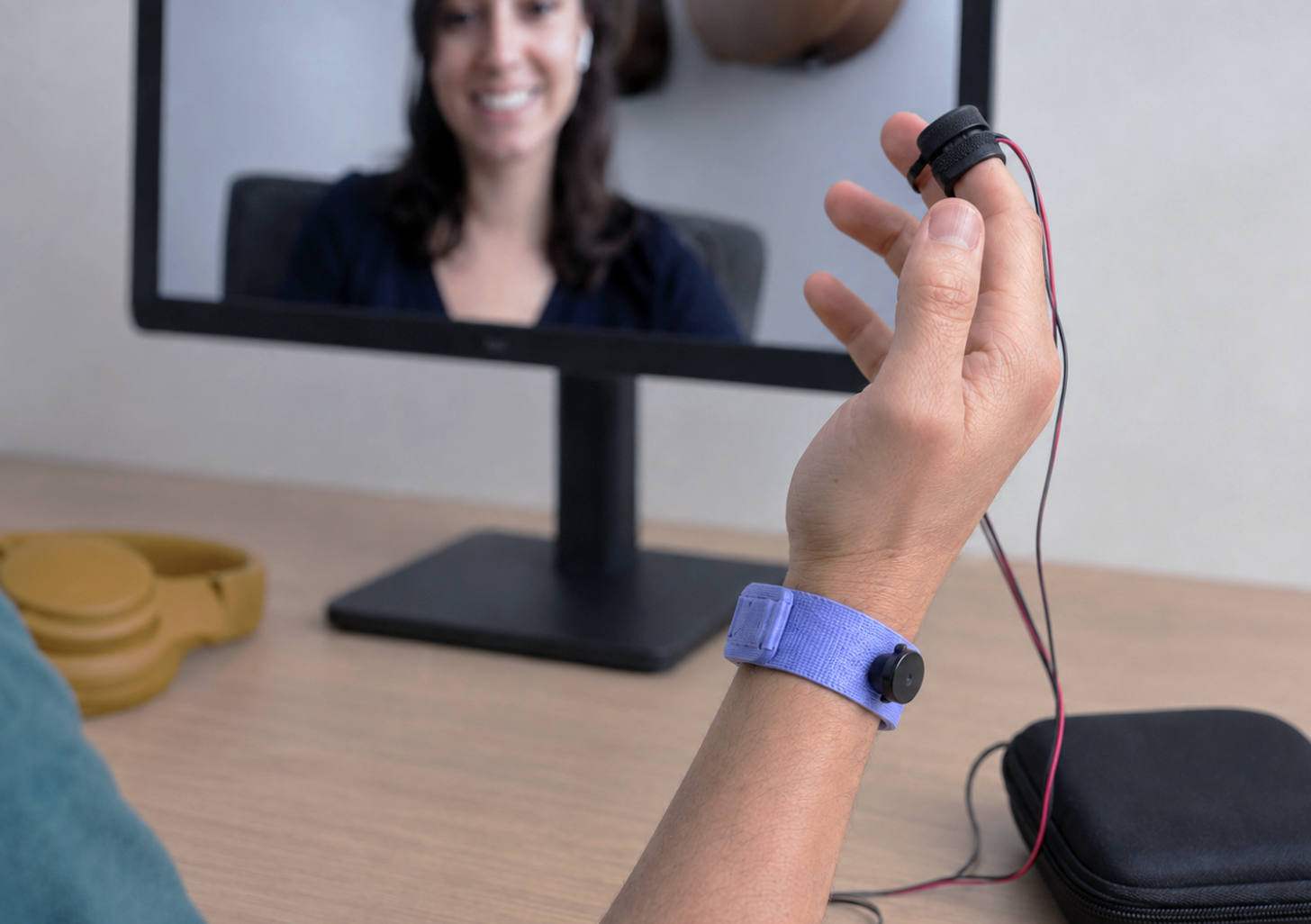
EmbER haptic wristband setup — participant with heart rate sensor and haptic pulse wristband EmbER system diagram — haptic pulses, enveloped noise, and control software

EmbER

MIT Media Lab Research

Designing social presence through haptic and sonic interaction.

Design for felt presence, not just visible communication.

EmbER uses custom haptic and auditory devices to transmit physiological sensations between wearers, exploring how shared bodily rhythm supports social closeness. While current virtual communication tools simulate many face-to-face elements, they fall short in emotionally meaningful ways. EmbER investigates more emotionally rich forms of remote communication, based on research in nonverbal communication and the role of the senses on emotional perception.

Wearers experienced their partner's physiological rhythms through haptic or auditory feedback just below the threshold of conscious awareness. Participants in a study reported a greater feeling of connection and empathy for their partner. Designing for felt, exploratory experience opens interaction patterns that conventional interfaces can't reach — and creates space for genuine surprise.

Interactive Public Art

Public Installations with Hypersonic Design

Large-scale interactive installations that invite participation, wonder, and play in shared public space.

Invite interaction without requiring it, and reward curiosity.

is a kinetic sculpture of 400 folded membrane elements, each capable of expanding and contracting individually via silent stepper motors driven by custom circuit boards. Choreographed by real-time flocking algorithms, the elements move as a single organism, tracing the invisible paths of a flock of birds through the space.

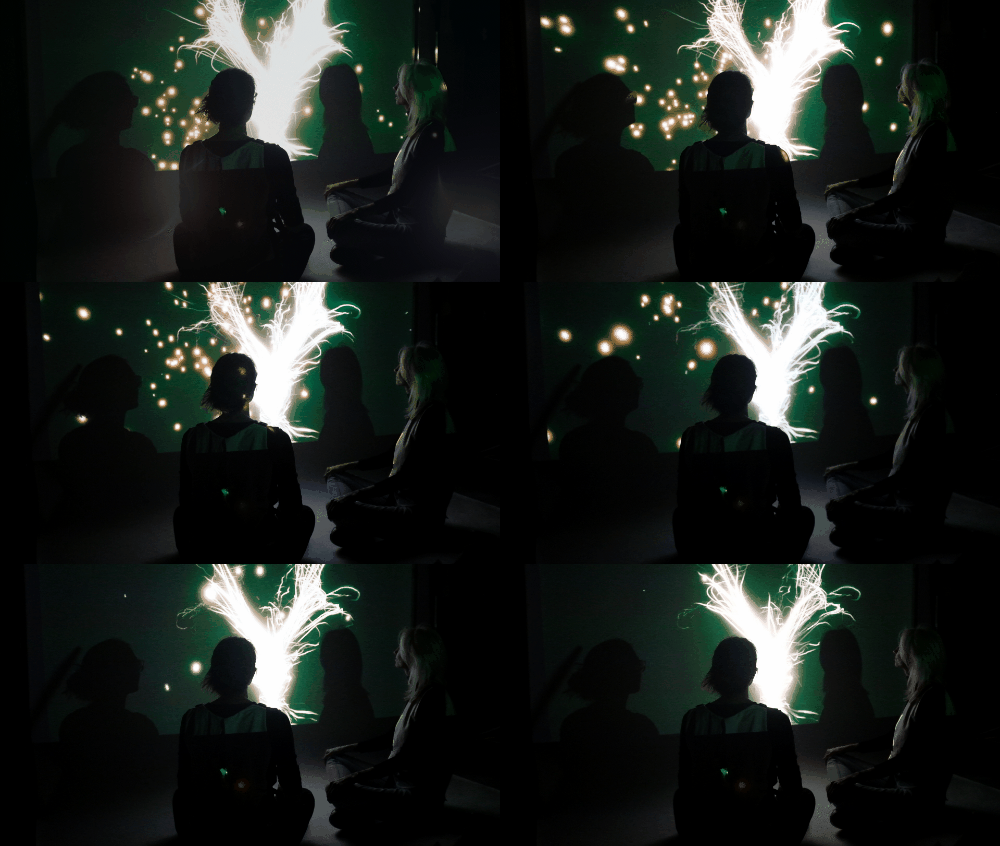
is a suspended kinetic sculpture whose branching form mirrors itself as it rotates, resembling a tree reflected in still water — using movement and symmetry to create a moment of contemplation in public space.

Both pieces are permanent installations, designed to be discovered rather than explained.

Role: lead physical systems design, electronics and software development, interaction development and iteration, subcontractor coordination from concept through installation.

Additional installation and experience work created for Twitter, Nike, Cartier, Hermès, and Google through Fake Love, NY.

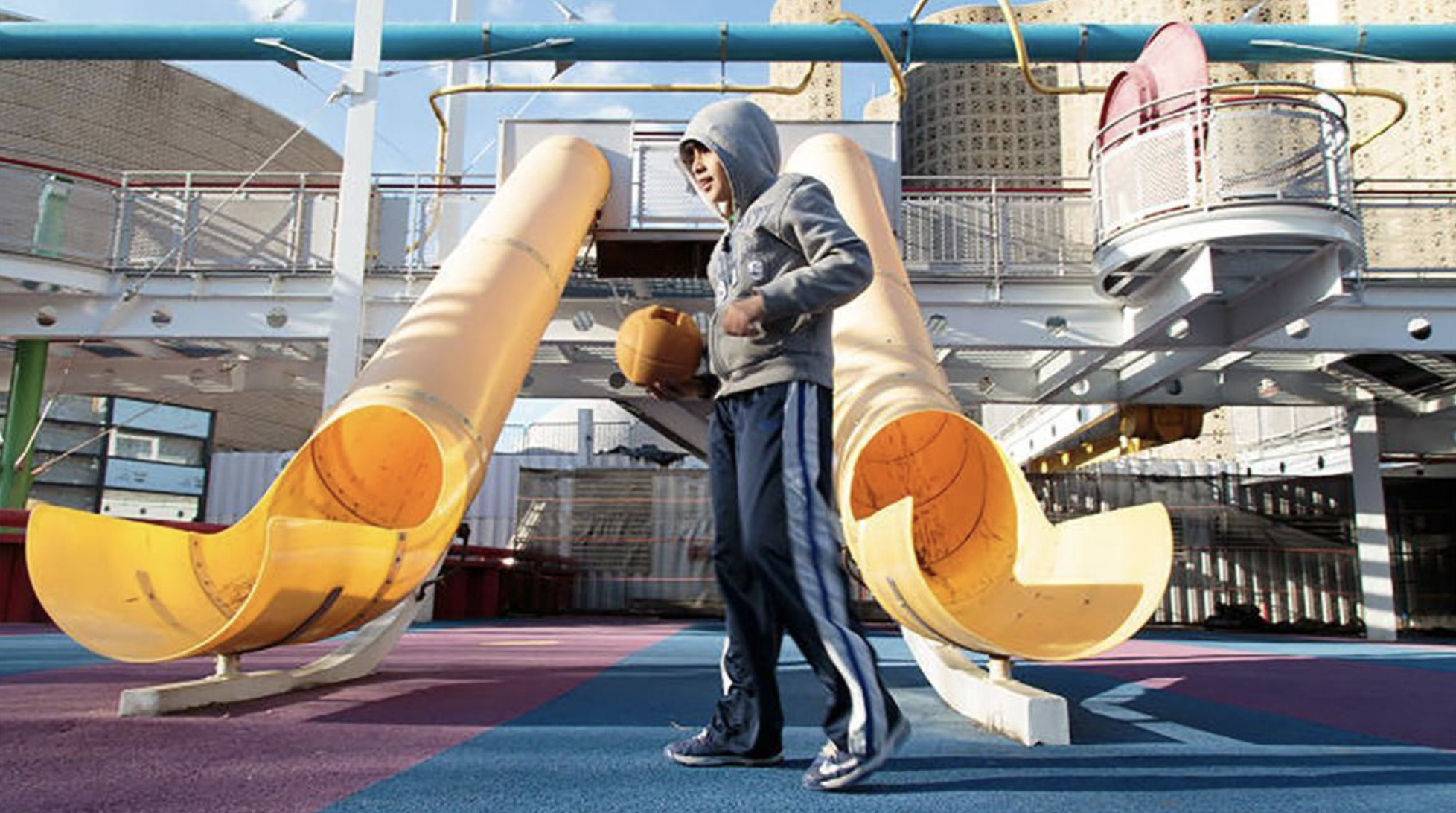
NYSCI Noticing Tools — visitor interacting at the New York Hall of Science

Museum Interactives

Museum Design with Local Projects

Interactive experiences that invite visitors to actively make meaning, learn, and explore.

Give visitors authorship over their own experience.

at the Cleveland Museum of Art is an interactive wall allowing visitors to organize and curate collections of artwork they had encountered throughout the museum — grouping by theme, mood, or personal interest. The interaction made the act of interpretation visible and personal.

Role: Front-end software design and development for core large-format interactive gallery wall.

at NYSCI (New York Hall of Science) contains a suite of augmented reality experiences overlaying data onto the physical world to teach physics, geometry, and fractions. Custom playground equipment, like sensor-outfitted sports balls and augmented reality camera apps, allowed young visitors to learn through the act of physical play.

Role: Hardware design, physical interaction design, prototype development, and on-site interaction testing — designing the physical layer through which visitors encountered the digital content.

Feedback Attribution study web interface Peer AI interaction research — collaborative problem solving

Designing Social Interaction with AI

MIT Media Lab Dissertation Research

Design decisions about AI — who it appears to be, how it communicates, how transparent it is — change how people learn, engage, and grow.

AI systems are often evaluated primarily through performance or usability metrics. My work instead focuses on interaction quality: how different forms of guidance, collaboration, and social framing influence motivation, exploration, participation, and human connection within AI-supported environments.

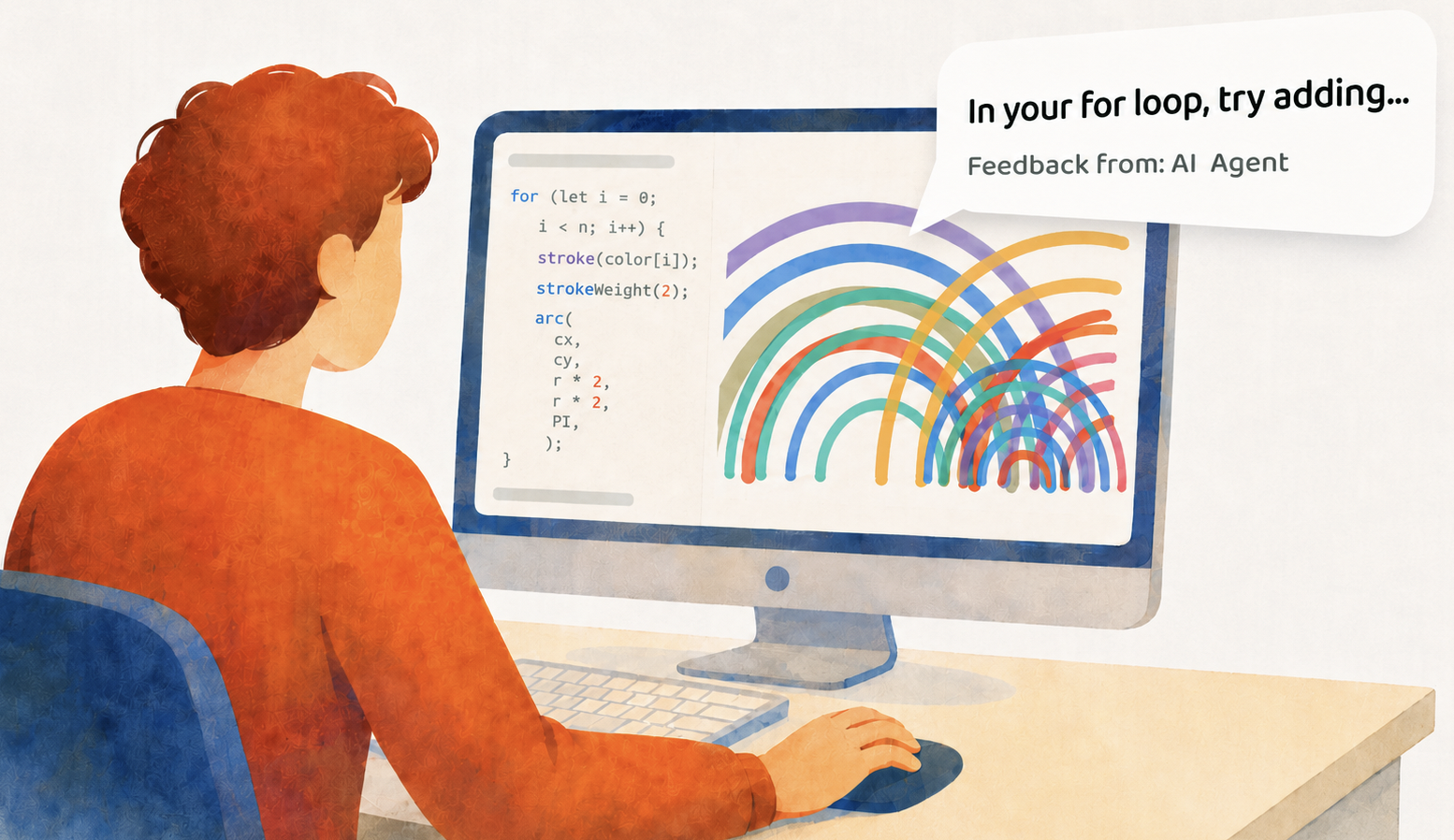
Designed and built an interactive platform exploring how the perceived social source of feedback changes creative engagement and effort. Participants completed creative coding projects while receiving identical feedback attributed either to an AI system or a human mentor. Participants revised more, invested more time, and produced more complex work depending on how the feedback relationship was presented..

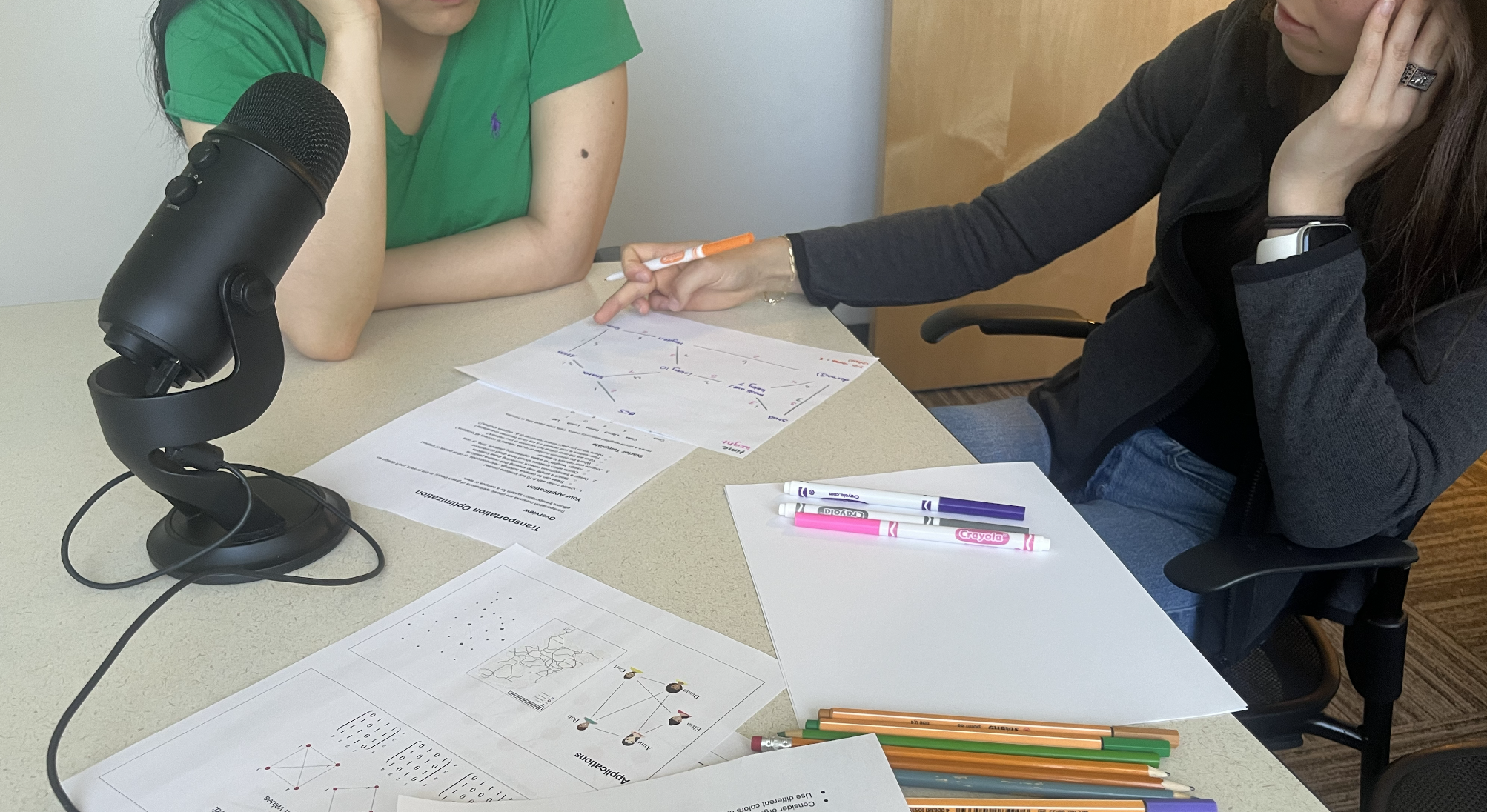
Designed computational tools to understand how different interaction structures influence participation and conversational dynamics. Participants worked either with peers or with AI collaborators while solving complex graph and systems-thinking problems. Rather than treating AI as a replacement for collaboration, the project focused on understanding which interaction patterns support productive engagement and shared exploration.

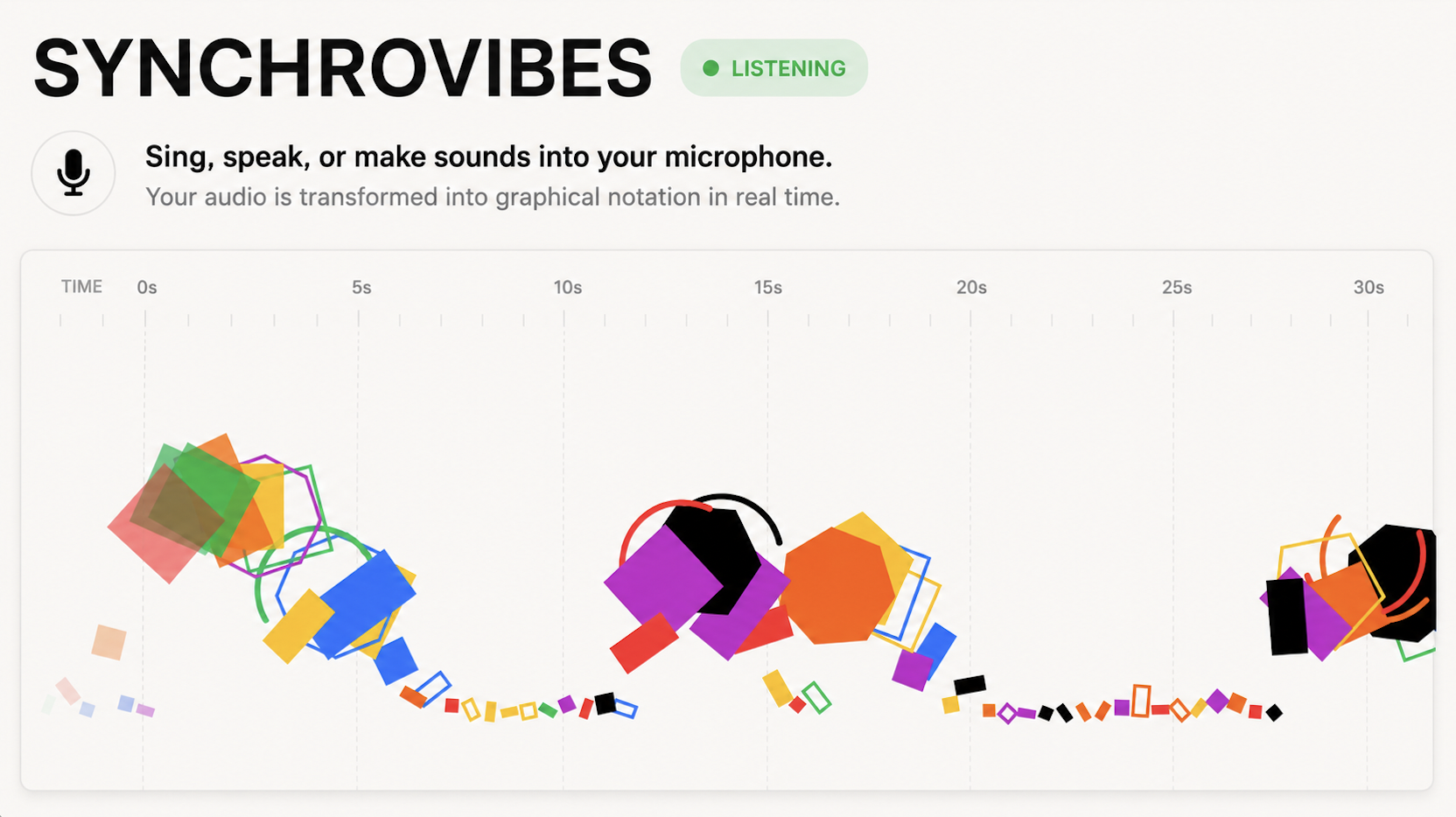
SynchroVibes — audio-reactive visual notation tool

Learning Demos: Vibe Coding

Teaching, Harvard Graduate School of Education

What happens to learning and creativity when AI becomes a collaborator in the creative process?

Vibe Coding was a class exploring how AI-assisted coding tools can support creative, meaningful learning through making. Developed as a graduate course at the Harvard Graduate School of Education, the class combined constructionist pedagogy with rapid experimentation using conversational coding systems and AI-supported prototyping workflows.

The work focused on hands-on interaction as a way of understanding emerging AI tools. Rapid demo projects, created as live examples for students, explored a range of applications including collaborative multiplayer web systems, sound-responsive interfaces, and physical computing experiments. These included a desktop robot that physically embodied the computational effort of the machine running it, making AI “work” visible and tangible through motion and behavior.

Role: Teaching Fellow, Harvard Graduate School of Education

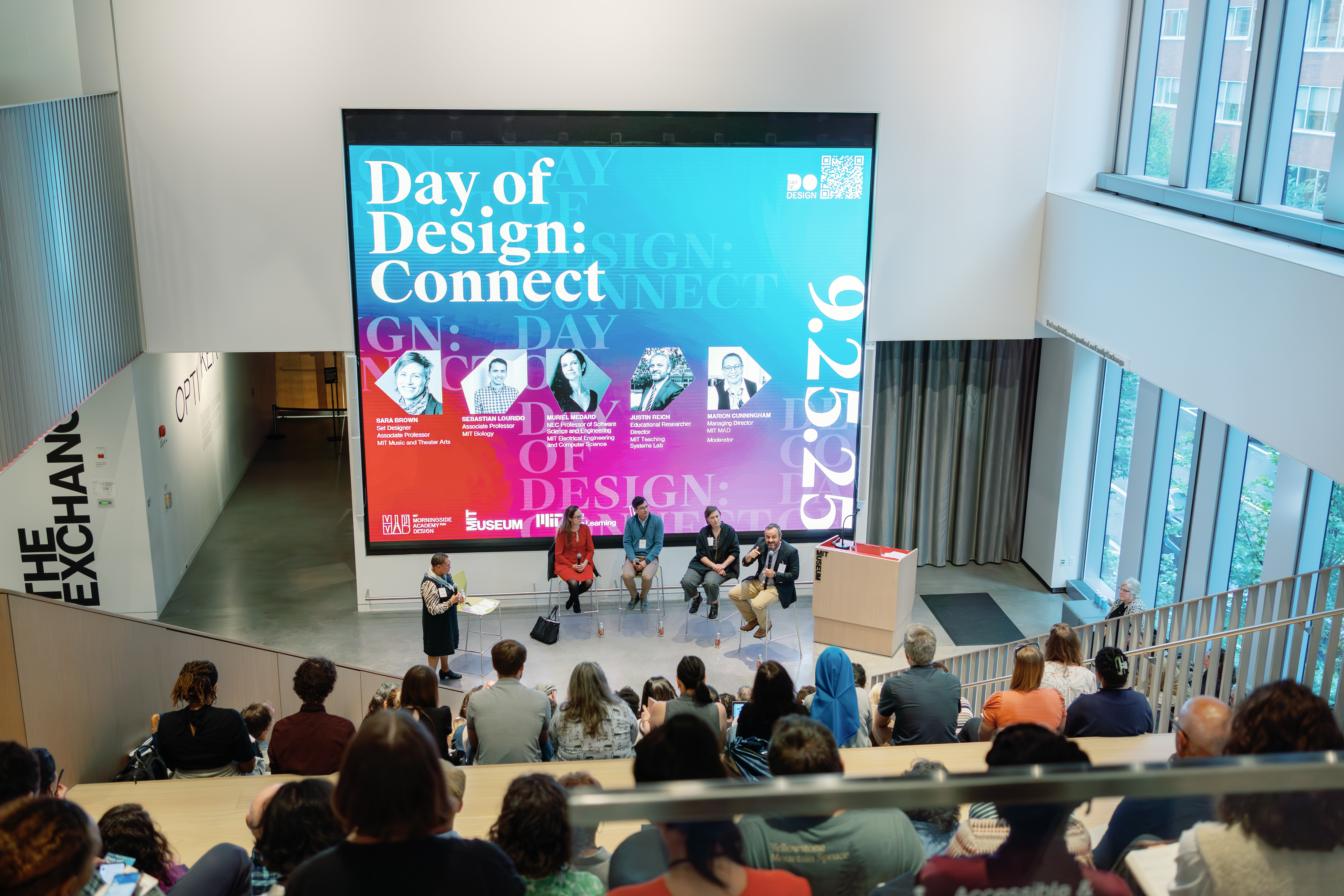
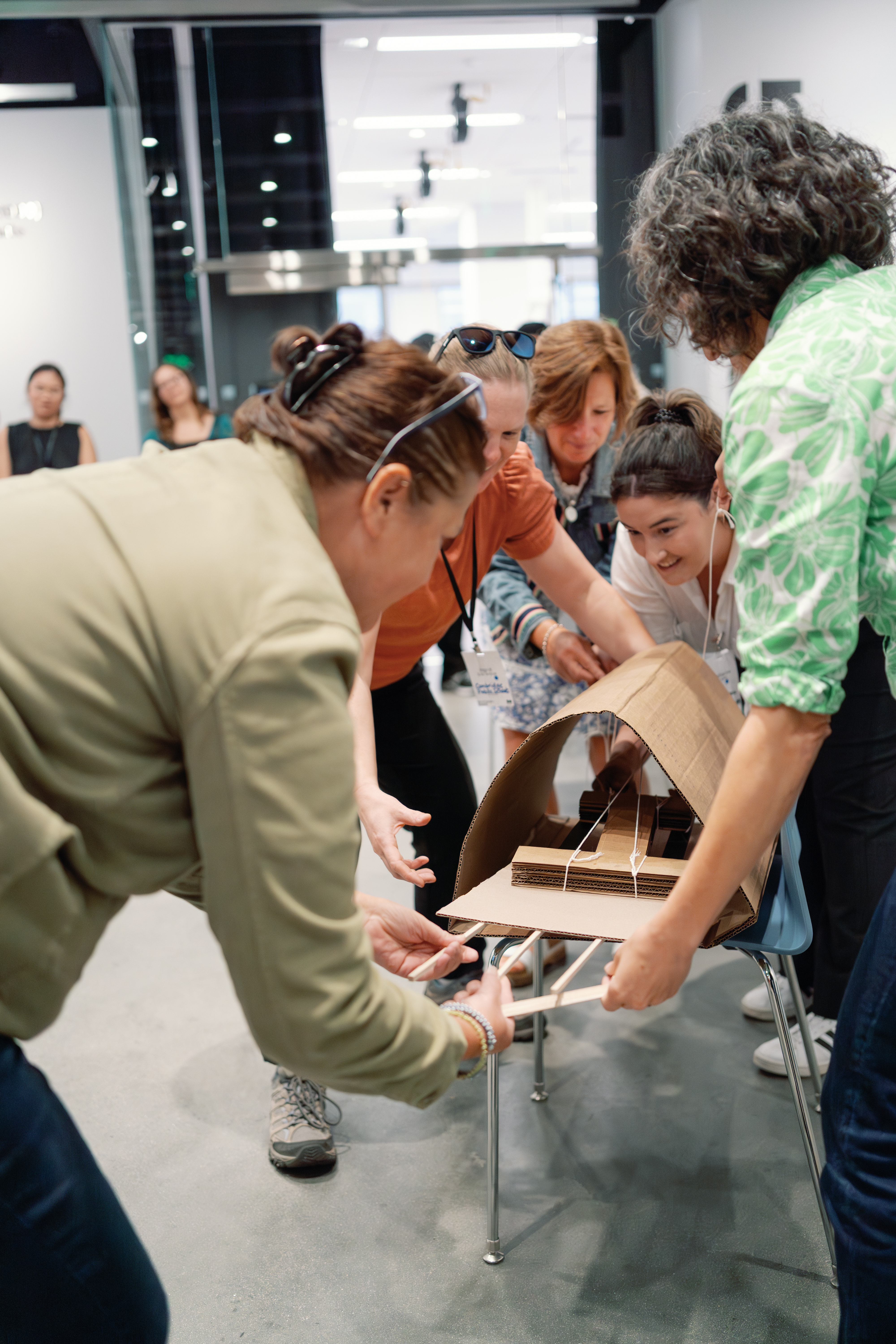
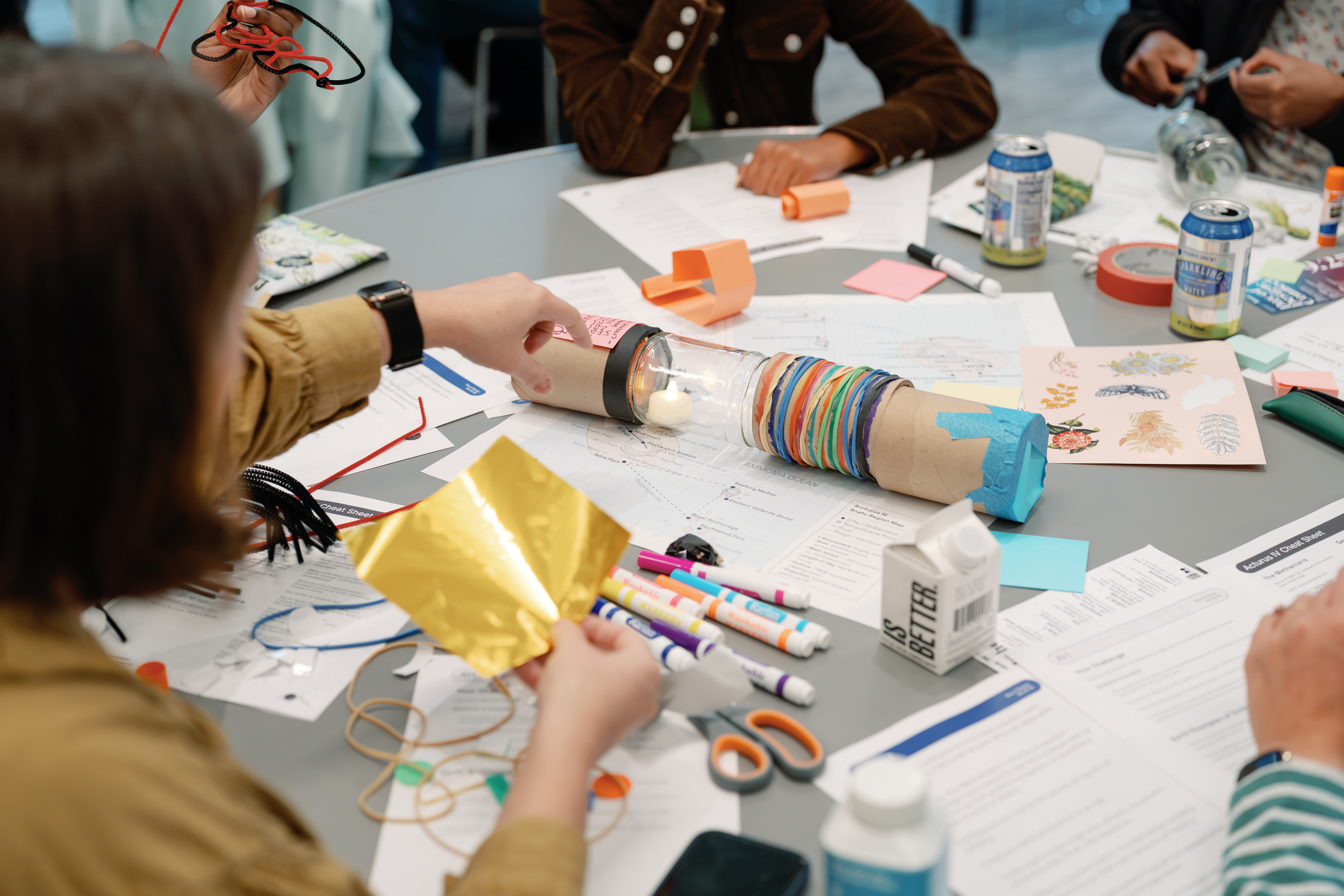
Day of Design: Connect — panel discussion in The Exchange auditorium Participants collaborating on a hands-on prototyping exercise Workshop table with craft materials and prototyping supplies

Day of Design

MIT MAD Professional Development Event

An event for educators with talks and workshops to teach design thinking itself — not just domain skills.

Constraint is generative; design to create the conditions for surprise.

Day of Design organized six parallel workshops, each teaching a hands-on approach to a different design dimension — Iteration, Storytelling, and Prototyping — as transferable skills that travel across disciplines.

Materials were designed to be distributable and replicable by other educators, with the goal of spreading design-as-practice beyond any single context.

Role: Lead co-organizer, curated and supported workshops, event design. Collaboration with MIT Morningside Academy for Design, supported by MIT Museum.

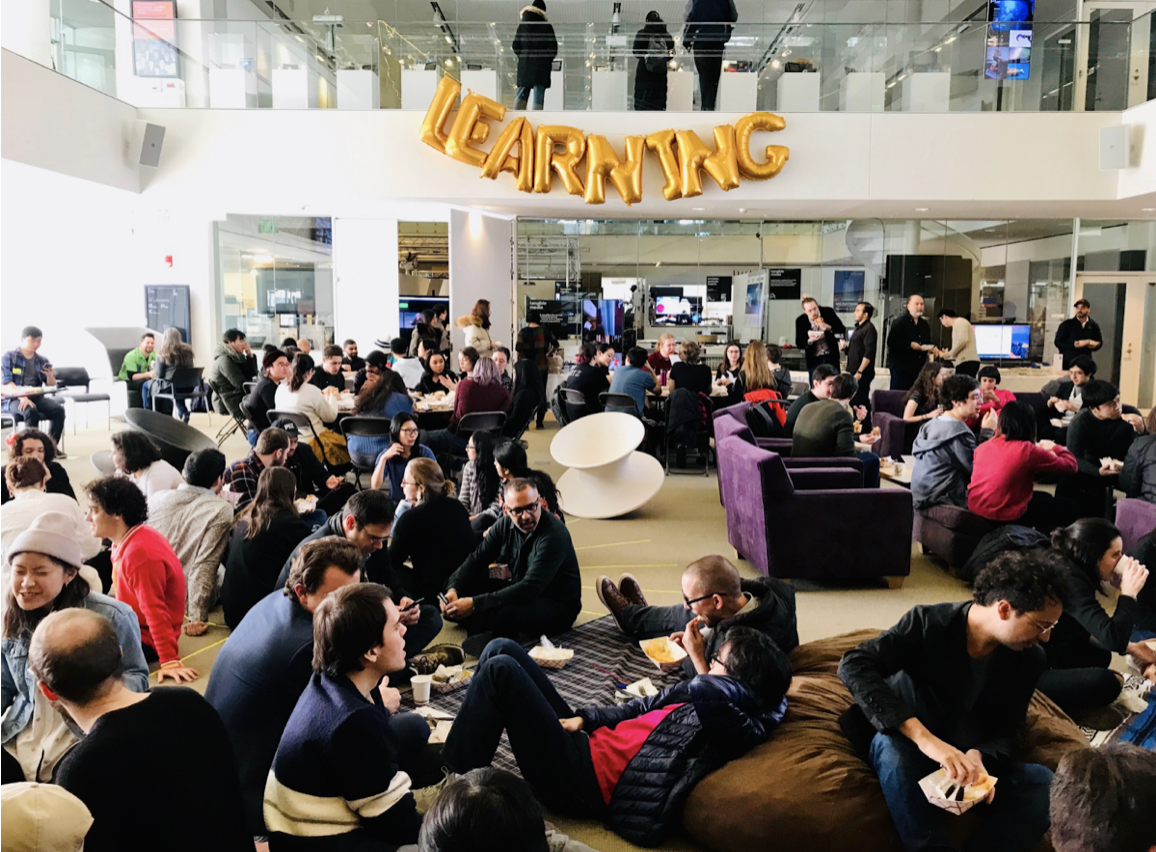
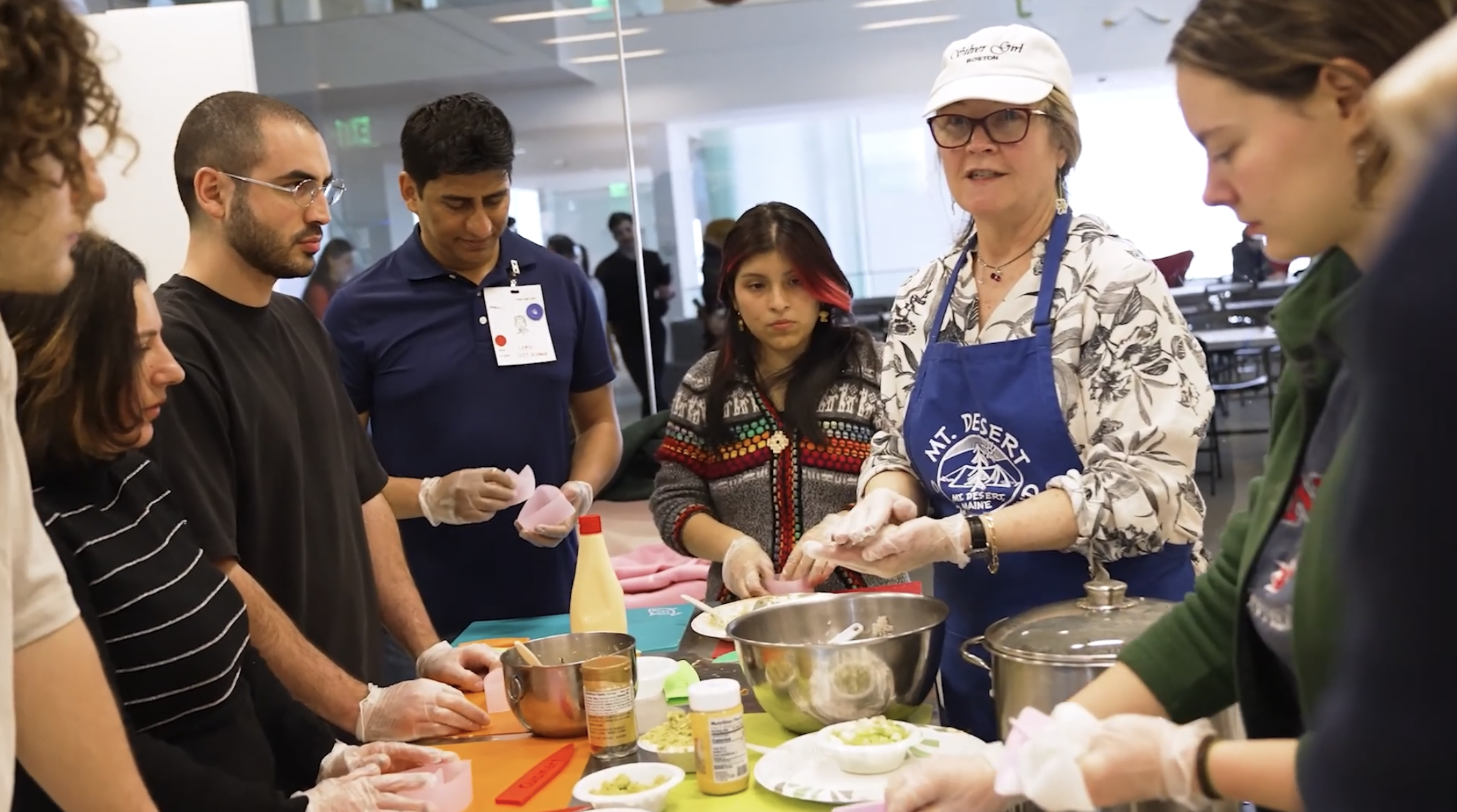
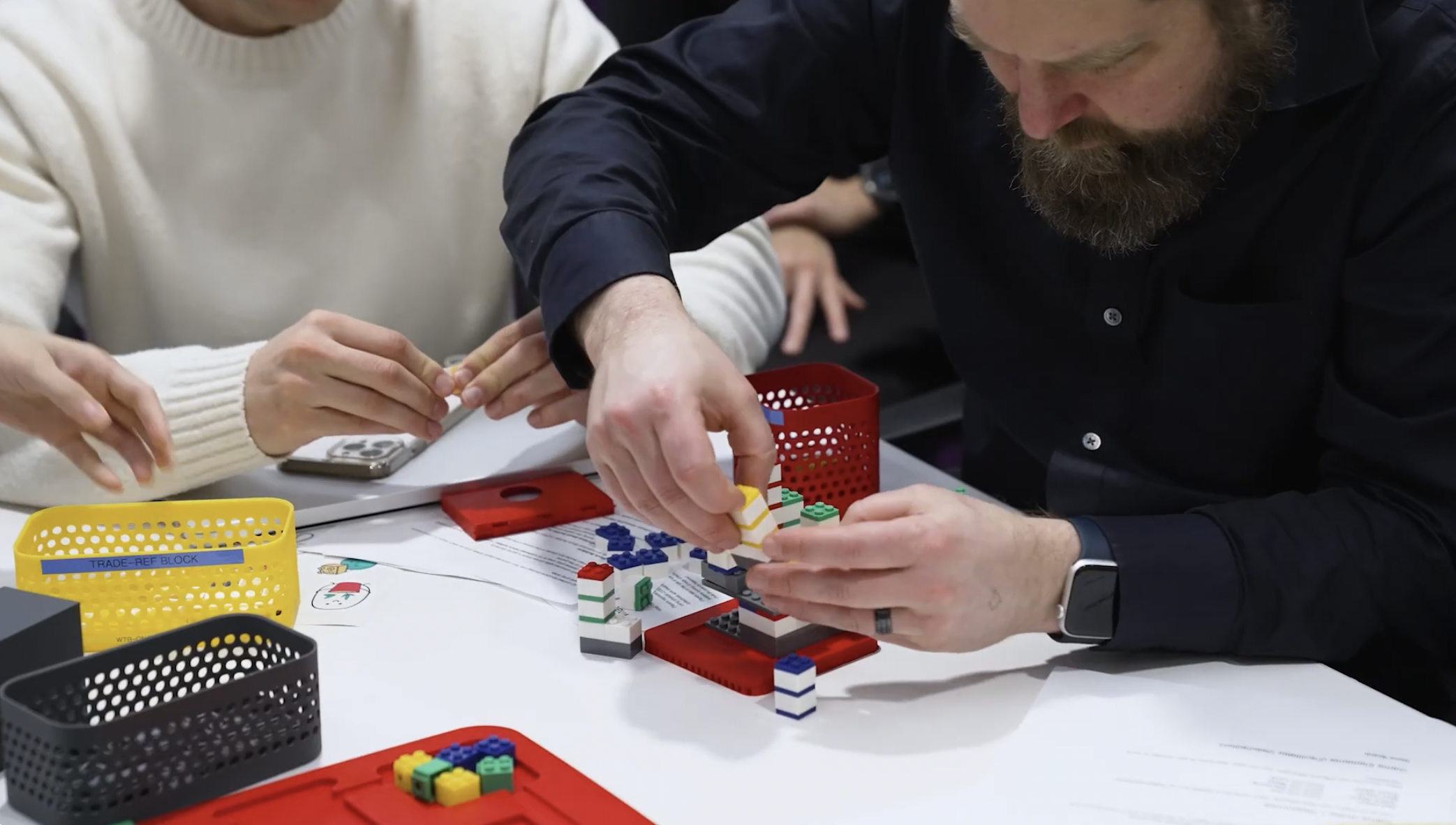
Festival of Learning at MIT Media Lab — crowd gathered under LEARNING balloon letters Festival workshop — cooking class with participants and instructor Festival workshop — hands-on LEGO building exercise

Festival of Learning

MIT Media Lab Community Event

An annual event for an entire community to teach each other in a single day.

Community design is interaction design.

The Festival of Learning is an annual event at the MIT Media Lab bringing together 200+ students, faculty, staff, and researchers to teach each other through hands-on workshops, experiments, and collaborative activities. Each year, we organized and facilitated 18–20 hands-on workshops spanning art, games, fabrication, storytelling, science, cooking, music, and more.

This community event became a core part of the interdisciplinary research and design culture of the Media Lab. Rather than separating “experts” from learners, the Festival invited participants to move fluidly between teaching, experimenting, and discovering alongside one another.

Role: Lead co-organizer and facilitator, 2022-2026.